Why Every Good Puzzle Has Exactly One Solution
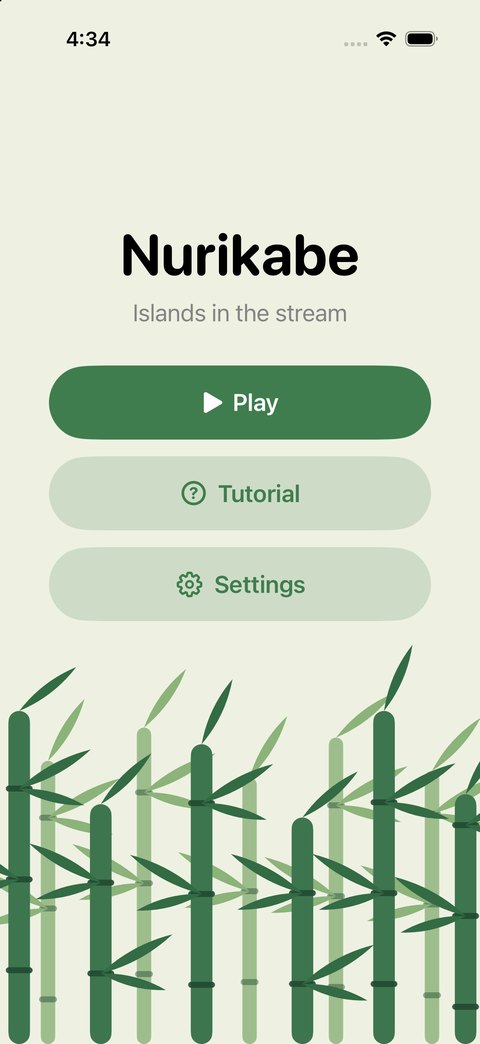
Try this thought experiment: you solve a puzzle correctly, check the answer, and it says you are wrong because the author had a different valid solution in mind. Nothing you could have deduced would have told you. That is why serious puzzle makers insist on uniqueness.
How a puzzle gets checked
A puzzle generator usually works backwards. You build a finished board first (the "planted" solution), then hide information: remove numbers or draw region borders to leave only the clues. After each change a solver counts the solutions. If there is more than one, the puzzle is rejected or given another clue.
For a small board, the solver can simply try everything with backtracking: choose a square, shade it or not, discard any branch that already breaks a rule, and count the boards that survive.
Difficulty is a separate question
Having one solution does not make a puzzle easy or hard. A computer can crunch through a board far faster than a person, so difficulty is usually graded by how many kinds of reasoning a human needs: whether simple patterns are enough, or whether chains of "if this, then that" are required. That is why the same 10x10 can feel gentle or fiendish depending on how the clues are placed.
What this means when you solve
You may rely on the only one solution guarantee. If two squares seem equally good, keep looking - there's a solution nearby.
Related articles
Do Puzzles Keep Your Brain Sharp? What the Research Actually Says
People who do puzzles score better on thinking tests, but that does not prove puzzles cause it. A plain-language look at what studies of crosswords, Sudoku and brain-training games do and do not show.
Read more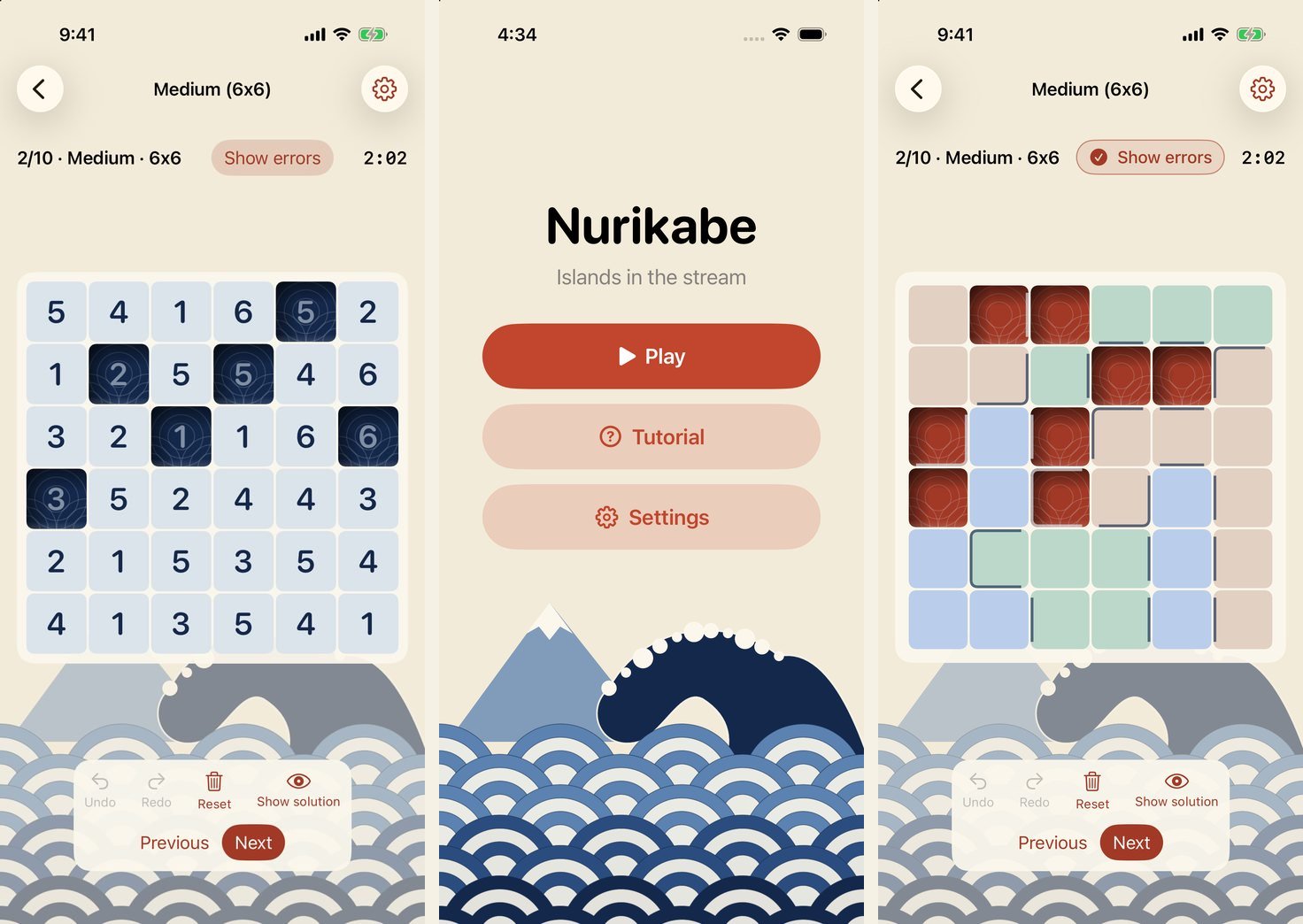
Hitori, Nurikabe or Norinori: Which Should You Learn First?
Three shade-the-squares puzzles, three different ways of thinking. How they compare, and which one to start with depending on how you like to solve.
Read moreFive Habits of Careful Logic-Puzzle Solvers
The same few habits work for Hitori, Nurikabe, Norinori and almost every pencil-and-paper logic puzzle: trust uniqueness, mark certainties, and never guess.
Read more
Comments (0)
No comments yet.